This locomotive was
followed by two of similar design, with cylinders 13½ inches in
diameter, in 1847; and by two passenger locomotives of the American (4-4-0)
type-in
 |
Although, as previously mentioned, this rail road was only
36 miles in length, it was composed of ten inclined planes and 11 so-called
levels, reached an altitude of 1339 feet, and was regarded as one of the
wonders of the world.
The locomotives operated by the State System of railroads were 73 in number at the time the System was purchased by the Pennsylvania Railroad Company in 1857, and they had been furnished by various builders and represented a great variety of design. Five of them were condemned as unfit for service, and many of the remainder were subsequently rebuilt at the Altoona Shops, in order to conform them more nearly to the Pennsylvania standards. The State of New Jersey was a pioneer in 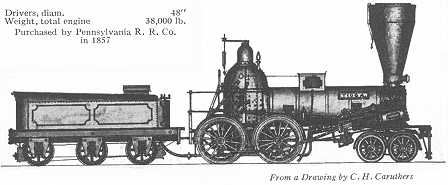 building railroads for the general transportation of passengers and freight. As early as 1812, John Stevens applied to the State Legislature for authority to build a railroad within its borders, but nothing was accomplished at that time. In 1832, however, the Camden & Amboy Railroad was completed between Bordentown and Amboy, a distance of 26½ miles, and the following year was extended from Bordentown to Camden, N. J., opposite Philadelphia. This road, in conjunction with a line of steamboats operated between Amboy and New York, |